 Go to the homepage
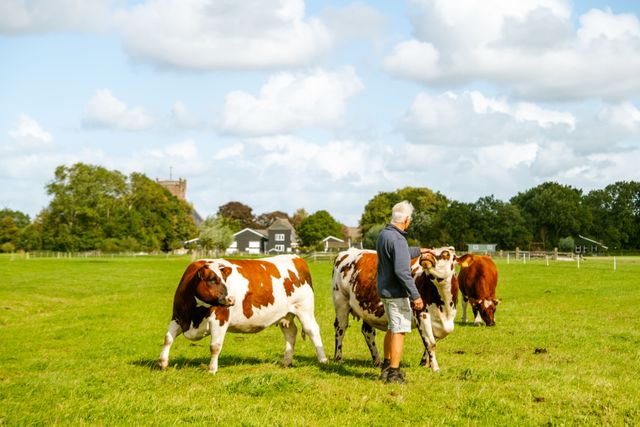
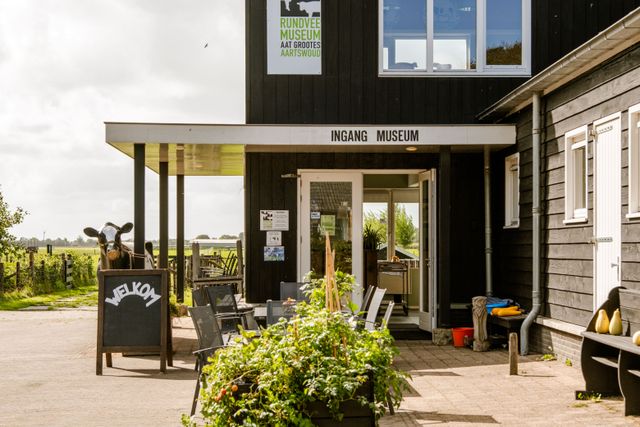
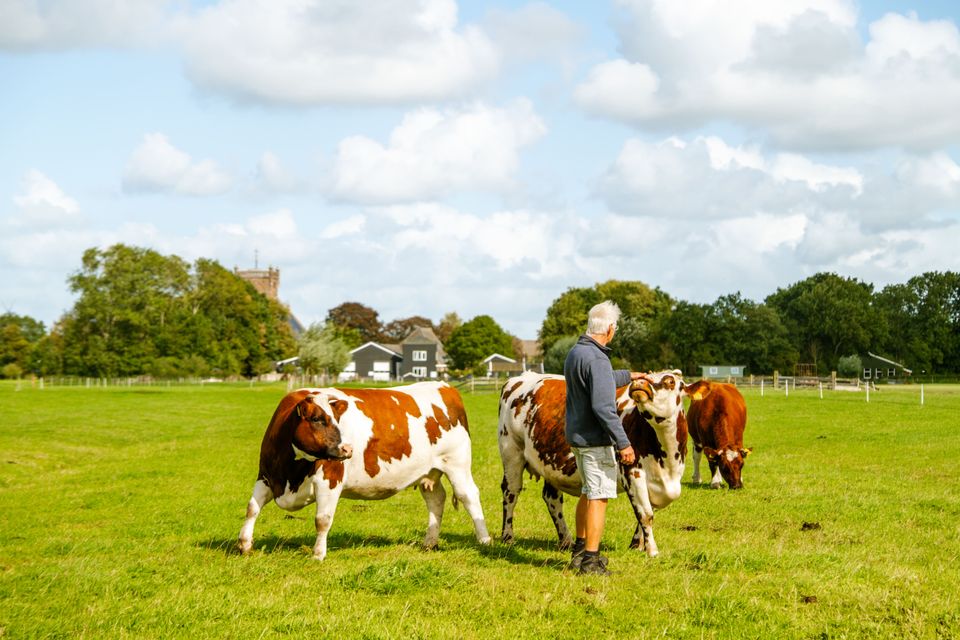
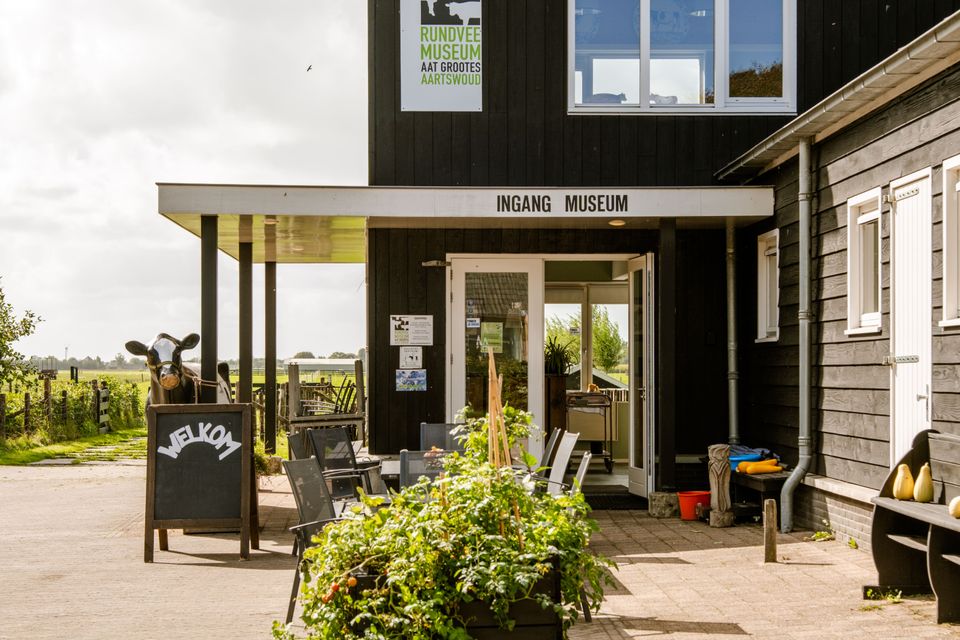
The Aat Grootes Cattle Museum in Aartswoud is the first living museum in the Netherlands. It is home to rare, ancient breeds of cattle that would otherwise become extinct.
The Aat Grootes Cattle Museum opened on 26 April 2013, following seven years of preparation. The museum is housed in a restored farmhouse that still exudes the atmosphere of the late nineteenth century. Since then, it has been regarded as the Netherlands’ first ‘living museum’, where you can hear mooing, see movement and sometimes spot a calf standing right next to its mother.
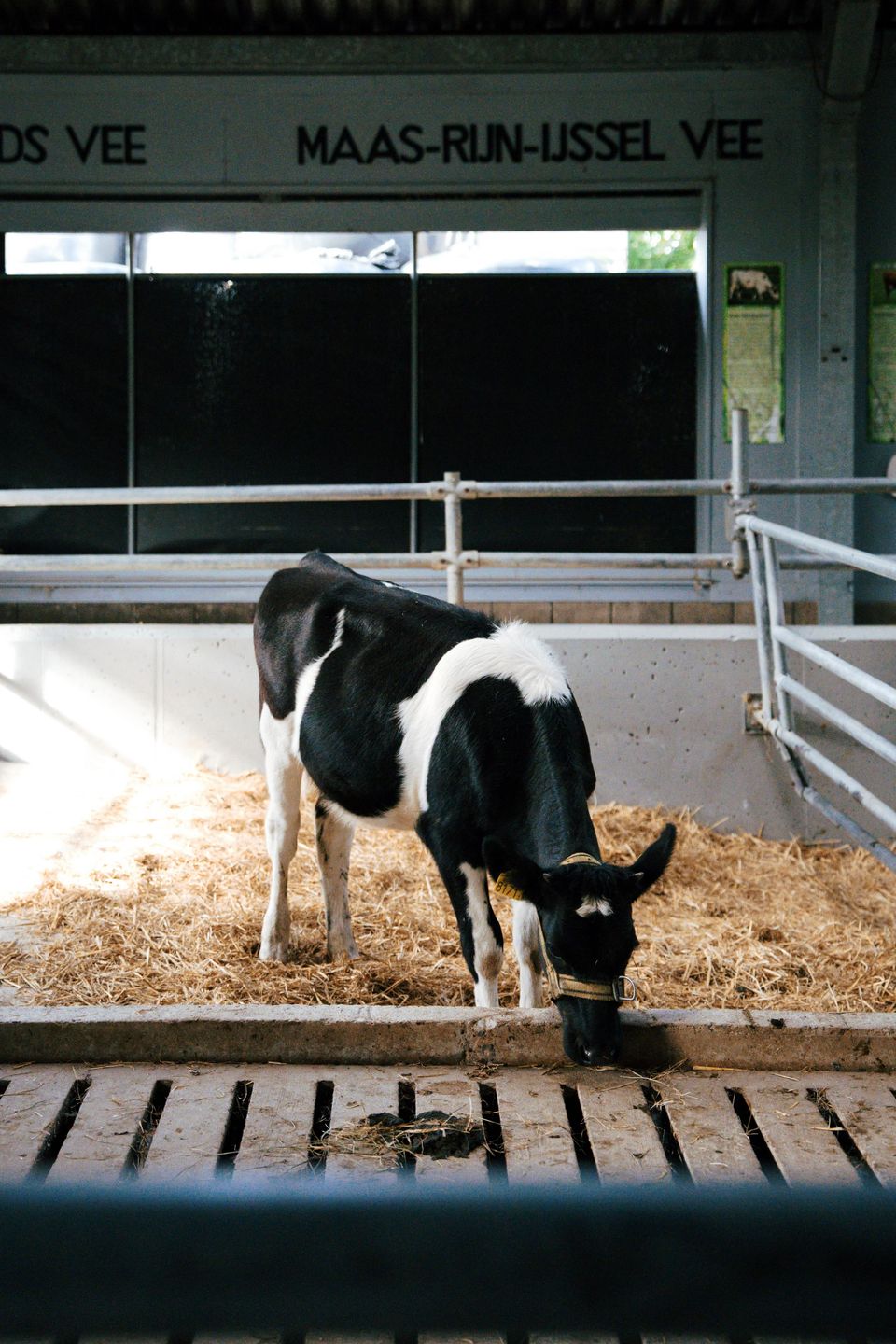
The museum is home to rare, ancient Dutch cattle breeds, such as Brandrode, Baggerbonte, Lakenvelder, Blaarkop and Witrik. There are now only around 500 of some of these breeds left in the Netherlands. Through pure-bred breeding, these endangered breeds are being saved from extinction, and since 2016 the museum has been recognised as an Educational Centre by the Rare Domestic Animals Foundation.
The farm is named after…
The Aat Grootes Cattle Museum opened on 26 April 2013, following seven years of preparation. The museum is housed in a restored farmhouse that still exudes the atmosphere of the late nineteenth century. Since then, it has been regarded as the Netherlands’ first ‘living museum’, where you can hear mooing, see movement and sometimes spot a calf standing right next to its mother.
The museum is home to rare, ancient Dutch cattle breeds, such as Brandrode, Baggerbonte, Lakenvelder, Blaarkop and Witrik. There are now only around 500 of some of these breeds left in the Netherlands. Through pure-bred breeding, these endangered breeds are being saved from extinction, and since 2016 the museum has been recognised as an Educational Centre by the Rare Domestic Animals Foundation.
The farm is named after Aat Grootes, who lived there until his death in 1998 and worked alongside his wife Alie and their children. In the summer, he would milk his twenty cows out in the fields; in the winter, they were kept in the barn. His stories offer a fascinating insight into 20th-century rural life in Westfriesland.
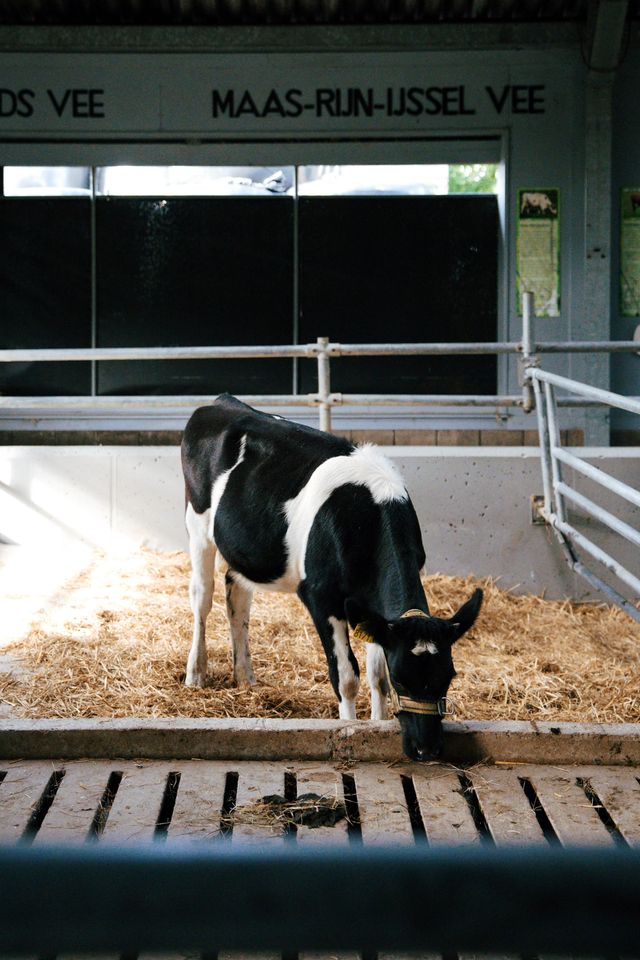
In addition to its permanent collection, the museum regularly organises agricultural markets, talks and activities for children. In the summer, when the cows are out to pasture, there is a changing summer exhibition in the deep-litter barn, each with its own theme. The herd is also looked after by people with intellectual disabilities.
Pop in during the winter for an ‘Open Barn Sunday’, held on the first Sunday of every month. On these days, the cows are comfortably indoors and you can admire them up close.
4.1
We were given a clear and comprehensive explanation of Dutch cattle by enthusiastic volunteers. We learnt a great deal about farming and life in the past. It is definitely worth spending a few hours here and joining the guided tour.
You can see various traditional Dutch cattle breeds there, including Blaarkoppen, Lakenvelders, a Heidekoe and a Witrik. The animals are bred to maintain the purity of the breeds in order to preserve their traditional characteristics.
Yes. Children can see the cows up close, and the museum regularly organises activities for young and old alike. The exact activities vary depending on the date.
Yes. For groups of six or more people, a guided tour can be arranged by appointment. Groups can also book outside normal opening hours.
Are you the owner of the Aat Grootes Cattle Museum? And would you like to report a change? .
Are you the owner of the Aat Grootes Cattle Museum? And would you like to report a change?